Welcome to your go-to guide on home renovation costs in NZ. If you’re thinking about upgrading your kitchen, giving your bathroom a fresh look, or tackling a full-house revamp, you’re probably wondering how much it will all cost. The truth is, renovation prices in New Zealand can vary a lot depending on where you live, what you’re changing, and the level of finish you’re aiming for. From basic upgrades to high-end makeovers, the costs can add up fast, especially with hidden expenses like consents or unexpected repairs. This guide breaks down everything you need to know so you can plan smarter, avoid surprises, and feel confident before you start swinging a hammer.
Home renovation costs in NZ typically range from $2,000 to $5,000 for minor updates and up to $100,000 or more for full-house renovations. Kitchen renovations usually cost between $15,000 and $30,000, while bathroom upgrades fall between $10,000 and $25,000. Final costs depend on location, materials, labour, and whether building consent is required.
Table of Contents
Why Renovation Costs Vary So Much In NZ
Renovation costs in New Zealand aren’t one-size-fits-all. If you’ve talked to someone who renovated their kitchen for $20,000, and another who spent double that, both could be telling the truth. There are several key factors that affect how much you’ll end up paying. Understanding these can help you plan smarter, avoid unexpected surprises, and set a realistic budget for your project.
Type Of Renovation (Kitchen Vs Full House)
The type of renovation you choose has a major impact on cost. A simple kitchen makeover may only require new cabinetry, paint, and appliances. But a full-house renovation could mean gutting rooms, upgrading plumbing and wiring, redoing floors, and even replacing the roof. The more complex the project, the higher the labour and materials costs.
Kitchens and bathrooms tend to be the most expensive per square metre because they involve plumbing, electrical, and often custom cabinetry or tiling. Bedrooms and living rooms, on the other hand, are generally cheaper to update unless structural changes are needed.
Location (Auckland Vs Smaller Towns)
Where you live in New Zealand plays a big role in renovation costs. Labour and materials are often more expensive in major cities like Auckland and Wellington due to higher demand, traffic delays, and cost of living.
Homeowners in smaller towns or rural areas might find lower hourly rates and less competition for tradespeople. However, keep in mind that certain materials may take longer to source or ship outside urban areas, which could still drive up the overall price.
Material Choices
The materials you choose can make or break your budget. A laminate benchtop costs far less than engineered stone. Timber flooring is pricier than vinyl. Custom cabinetry will always be more expensive than flat-pack options.
It’s easy to be swayed by showroom finishes or design trends, but every upgrade adds to the total cost. Focus on what adds value and lasts long-term. You don’t always need the most expensive material to get a high-quality result, sometimes it’s about smart design and placement.
Labour Availability And Rates
Labour makes up a big chunk of any renovation budget. In some areas, there’s high demand and limited supply of qualified builders, electricians, plumbers, and tilers. When tradies are busy, they often charge more, and wait times can delay your project.
You’ll also notice rate differences between regions. For example, an experienced builder in Auckland may charge $100–$120 per hour, while someone in Dunedin might charge closer to $70–$90. Hiring unlicensed or underqualified workers might seem cheaper upfront, but it can lead to poor workmanship and long-term issues.
Building Regulations And Consents
New Zealand has strict building codes, especially if your renovation involves structural changes, plumbing, or electrical work. If your project needs building consent, that adds extra steps, and extra costs.
You’ll need to pay council fees, possibly hire a designer or architect, and wait for approvals. In some cases, you may also need to get inspections at different stages. This can extend the timeline and increase expenses.
Ignoring these requirements is risky. If you do work without proper consent, you could face fines, insurance problems, or trouble selling the property in the future.
Understanding these cost factors puts you in a stronger position to plan, budget, and negotiate. Renovating your home is a big investment, and the more informed you are, the smoother your experience will be. Let your budget reflect what’s realistic for your region, your goals, and your chosen materials, not just what you see on TV or social media.
Average Cost Ranges By Project Type
Renovation costs in New Zealand vary widely depending on the type of project, the materials you choose, and how much professional help you need. Below is a breakdown of the most common renovation areas, along with realistic ballpark figures in NZD. Whether you’re making small updates or doing a full overhaul, this guide will help you understand what to expect before you start budgeting.
Kitchen Renovation Costs
A kitchen renovation is one of the most popular, and often one of the most expensive, projects. The price depends heavily on the layout, materials, and finishes.
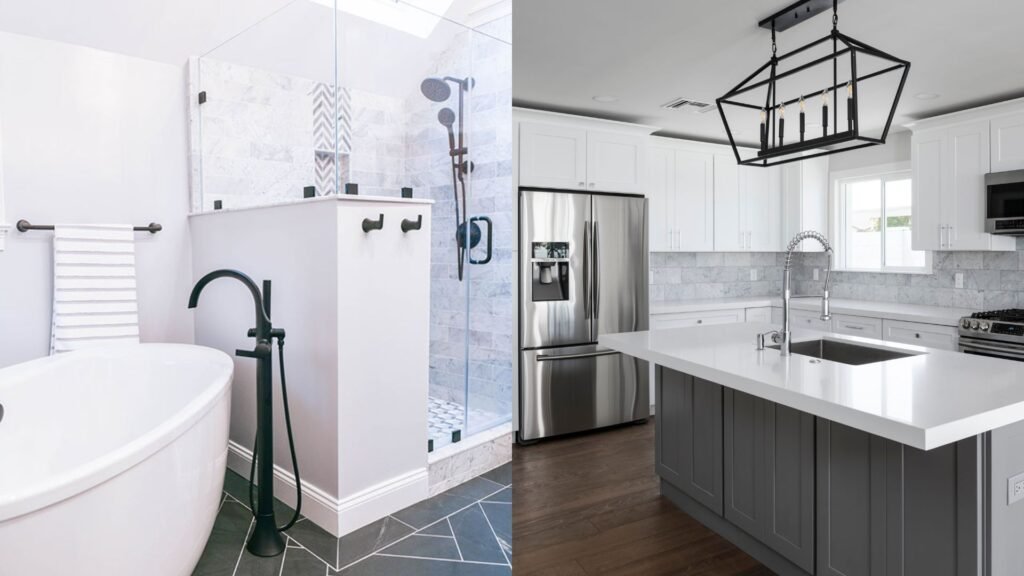
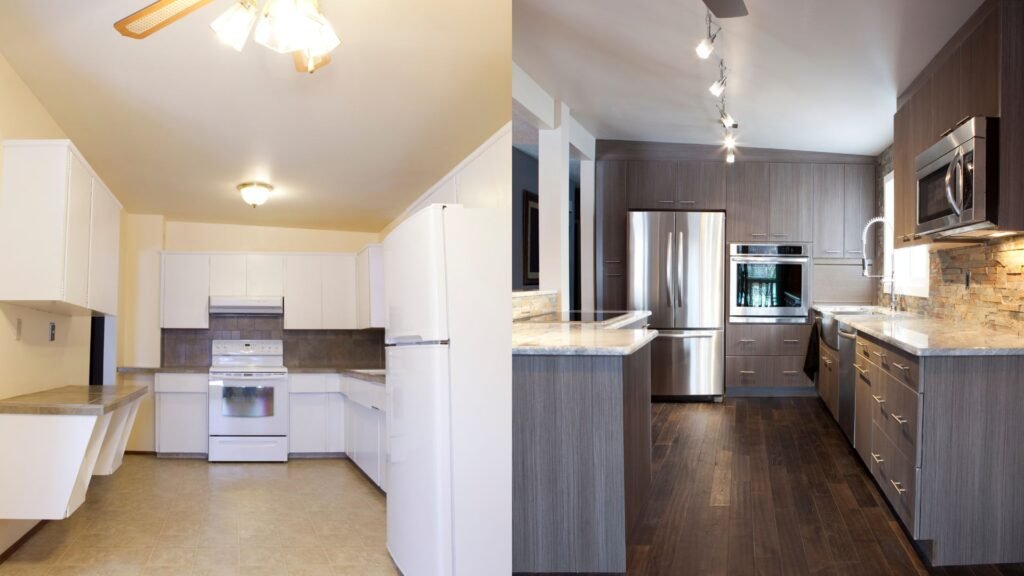
- Basic renovation: Expect to pay around $10,000 to $15,000. This usually includes painting, new benchtops, updated splashback, and replacing cabinet fronts while keeping the layout the same.
- Mid-range renovation: Costs can range from $20,000 to $30,000. This may involve upgrading all cabinetry, new appliances, new flooring, and layout tweaks.
- High-end renovation: You could spend $35,000 or more. Think custom cabinetry, stone benchtops, premium appliances, and designer fittings.
What Influences The Price
Layout changes, appliance brands, cabinetry style, splashback materials, and whether you’re moving plumbing or electrical points.
Hidden Costs
Updating old plumbing or rewiring, strengthening flooring to support heavier appliances, and building consent if structural changes are made.
Bathroom Renovation Costs
Bathrooms may be small, but they come with complex plumbing and waterproofing needs, which often makes them pricier than expected.
- Basic Bathroom: Costs start around $10,000 to $15,000. This typically includes new fixtures, retiling, and painting.
- Mid-Range Bathroom: You’ll likely pay $18,000 to $25,000. This might include custom vanities, walk-in showers, tiling from floor to ceiling, and lighting upgrades.
- High-End Bathroom: $30,000 or more. This could involve underfloor heating, high-end fittings, custom glass, and luxurious finishes.
Tile Vs Vinyl
Tiles look great and last long, but they’re expensive to install. Vinyl is budget-friendly, quicker to lay, and easier to maintain.
Standard Vs Custom Fittings
Standard off-the-shelf fittings cost less than custom-made options, which add a unique look but raise the total cost quickly.
Replacing Fixtures Vs Full Reconfiguration
Keeping the plumbing where it is will save thousands. Moving your shower or toilet? Expect higher costs for plumbing and waterproofing.
Living Room And Bedroom Renovation Costs
These rooms tend to be more straightforward to renovate since they don’t involve plumbing or expensive fixtures.
- Painting: Professional interior painting can cost between $3,000 and $6,000 depending on the size of the space and number of coats.
- Flooring: Carpet installation averages $50 to $80 per square metre. Timber or laminate floors range from $90 to $150 per square metre.
- Lighting: Basic ceiling lights are affordable, but upgrading to smart lighting or designer fixtures can add hundreds to your budget.
Built-In Furniture Or Storage
Wardrobes and built-ins range from $1,000 for basic shelving to over $5,000 for custom joinery. These add both function and resale value.
Full House Renovation
Full home renovations in New Zealand are a major investment, both in time and cost. These projects often include nearly every room and element of the home.
- Basic Full-House Renovation: Expect to spend around $80,000 to $120,000. This covers cosmetic upgrades like flooring, paint, and minor kitchen or bathroom updates.
- Mid-Range Renovation: Costs can hit $150,000 to $200,000. This includes moderate layout changes, updated kitchens and bathrooms, and upgraded wiring or plumbing.
- High-End Or “Gut And Rebuild”: You could spend over $250,000. This level of work usually includes complete interior strip-outs, structural changes, and high-quality finishes.
What’s Included In A Typical “Gut And Rebuild”
New walls, ceilings, insulation, plumbing, electrical, kitchen, bathrooms, flooring, windows, and sometimes even the roof.
Rewiring, Replumbing, And Council Costs
Electrical rewiring can cost $10,000–$25,000. Replumbing a house may cost $15,000–$30,000. Council consent fees typically add several thousand dollars more, depending on the scope.
Renovating Vs Rebuilding
Sometimes, starting from scratch is cheaper per square metre than fully renovating an old home, especially when the structure is compromised or full compliance upgrades are needed.
Each project is unique, and final prices will vary. Always get at least two quotes, ask for a detailed breakdown, and factor in a buffer of 10%–20% for unexpected issues. Planning ahead with realistic numbers will save you stress and money down the track.
Labour And Contractor Costs In NZ
Renovating a home in New Zealand isn’t just about choosing materials and layouts, it’s also about knowing who’s going to do the work and what it’s going to cost you. Labour is one of the biggest parts of any renovation budget, so getting it right can save you stress, time, and money. Here’s what you need to know about hiring contractors, how much they charge, and how to avoid getting caught out.
Breakdown Of Who You Might Need
Depending on the scale of your renovation, you might need several different tradespeople. Each one brings a specific skill set to the job, and their roles often overlap during the process.
- Builder: Handles the core structural work. This includes framing, walls, floors, and even roofing if required. Builders often coordinate the rest of the team.
- Plumber: Installs and moves water pipes, waste lines, and plumbing fixtures. Essential for bathrooms, kitchens, and laundry areas.
- Sparky (Electrician): Responsible for all electrical wiring, outlets, lighting, and appliance connections.
- Tiler: Installs tiles on floors, walls, and splashbacks. Commonly used in bathrooms, kitchens, and entryways.
- Painter, Plasterer, Joiner: You might also need these depending on the finishes and custom features you’re planning.
Hiring each trade individually can give you more control over costs, but it also means more coordination on your end. If you hire a main contractor or building company, they often manage all trades under one contract.
Average Hourly/Daily Rates
Labour rates vary across New Zealand, and they depend on location, experience, and demand.
- Builder: $70 to $120+ per hour
- Plumber: $80 to $130+ per hour
- Electrician: $90 to $140+ per hour
- Tiler: $60 to $100+ per hour
- Labourer: $40 to $60 per hour (for general work or cleanup)
In high-demand areas like Auckland or Queenstown, expect rates at the top end of the range. If you’re in a smaller town, you might get more competitive pricing, but skilled trades may be harder to book.
Some trades offer daily rates, especially for larger jobs. But always confirm what’s included in that rate, and whether it covers tools, travel, or materials.
Fixed-Price Vs Charge-Up Contracts
When hiring contractors, you’ll usually choose between two pricing structures:
- Fixed-Price Contracts: The contractor gives you a set quote for the whole job. This works well if your plans are final and unlikely to change. You’ll know exactly what you’ll pay, unless you request extra work outside the scope.
- Charge-Up Contracts: You pay by the hour or day, and for materials as needed. This allows flexibility if plans aren’t fully locked in, but it can get expensive fast if not managed carefully.
If you’re going the charge-up route, ask for regular updates and detailed timesheets. Also, set a maximum spend limit in writing.
How To Avoid Dodgy Tradies
Not every contractor operates to the same standard. Getting stuck with someone unreliable or unqualified can blow your budget and timeline. Here’s how to protect yourself:
- Check Credentials: Always hire licensed builders, plumbers, and electricians. Use official sites like the Licensed Building Practitioners Register.
- Get Multiple Quotes: Don’t go with the first or cheapest offer. Compare at least three quotes to get a realistic idea of costs.
- Ask For References: A good tradie will be happy to provide examples of past work or customer feedback.
- Use Written Contracts: Never rely on verbal agreements. Make sure everything is in writing: timeline, price, payment terms, and scope of work.
- Avoid Cash-Only Deals: It might sound like a bargain, but if anything goes wrong, you’ll have no paper trail or legal protection.
Renovations can be exciting, but they also involve big money. Knowing what to expect with labour and contractor costs in NZ will help you stay in control and avoid unnecessary surprises. Always choose professionals you trust, and don’t be afraid to ask questions until you’re confident in who you’re hiring.
Building Consent And Compliance Costs
Renovating your home in New Zealand often involves more than just hiring a builder and buying materials. One important part of the process is understanding building consent and compliance costs. If you skip this step, you could face costly delays, legal trouble, or even be forced to undo completed work. This section explains when you need building consent, what fees to expect, and how it can affect your timeline and budget.
When You Must Get Consent
Not every renovation needs building consent, but many do. If your project changes the structure of your home or affects health and safety, it likely requires formal approval from your local council. This includes:
- Adding or removing walls
- Changing the use of a room (like converting a garage into a bedroom)
- Replacing roofing, windows, or foundations
- Major plumbing or drainage work
- Building decks over 1.5 meters high
- Altering load-bearing elements of your home
On the other hand, basic work like painting, installing new cabinets, or replacing light fixtures usually doesn’t need consent. Still, it’s always best to double-check, rules can vary slightly between councils.
Council Fees To Expect
Building consent comes with its own set of fees, which vary depending on the size and complexity of your project. Here’s what you might be charged for:
- Application processing fees
- Inspection visits during construction
- Development levies (in some cases)
- Code compliance certificate fees
In general, you can expect to pay anywhere from $500 to $3,000 or more just in council-related fees. For larger renovations that affect plumbing, structural elements, or external appearance, costs could go even higher. These fees don’t include other professional services like architectural drawings or engineering reports, which may also be required.
Time Delays And How They Affect Budget
Waiting for building consent can slow down your renovation plans. Most councils aim to process applications within 20 working days, but this timeline can stretch out if your documents are incomplete or if your project is complex.
These delays can create ripple effects:
- Contractors may not be able to start on time
- You might need to rebook tradies at a higher cost
- Rental or alternative accommodation costs could increase
- Material prices may rise during the delay period
To avoid budget blowouts, factor extra time into your renovation schedule and have a buffer of around 10–15% set aside for unexpected costs.
How To Check If Your Project Needs Consent
The easiest way to check is to visit your local council’s website or call their building department. Most councils offer a checklist or flowchart that helps homeowners understand what does or doesn’t need consent.
Another option is to speak with a licensed building practitioner (LBP). They’re familiar with local rules and can tell you right away if your project crosses any lines.
Some councils also provide pre-application meetings, which can save time by identifying potential issues before you lodge your paperwork.
Being proactive pays off. Getting consent isn’t just about following the rules, it protects you if you ever sell your home or need to make an insurance claim.
Unexpected And Hidden Renovation Costs
Renovating a home in New Zealand can be exciting, but it’s not without its surprises. Many homeowners dive into projects with a clear budget, only to discover unexpected issues that push their costs far beyond what they planned. This section covers the hidden renovation costs that can appear during even the most straightforward projects. If you’re planning to renovate, understanding these risks can help you budget smarter and avoid financial stress.
Asbestos Removal
Asbestos is still present in many older New Zealand homes, especially those built before the 1990s. It was commonly used in roofing, ceilings, cladding, flooring, and even insulation. While it may not be dangerous if left undisturbed, any renovation work that cuts, sands, or demolishes materials containing asbestos can release harmful fibers into the air.
Professional asbestos testing and removal is not optional, it’s a legal and health requirement. Depending on the amount found and its location, removal can cost anywhere from a few hundred dollars to over $10,000. Failing to account for this in your budget could delay your entire project.
Rotten Framing Or Flooring
Once demolition begins, you may find that the timber framing or subflooring is not in the shape you expected. Water leaks, poor ventilation, or termite damage can rot the wood beneath the surface. These issues are not always visible during a walkthrough or inspection, but once uncovered, they need to be addressed immediately.
Replacing damaged framing or flooring often means pulling apart more of the home than planned. It also involves new materials, additional labour, and in some cases, rebuilding sections of the structure. These repairs can add thousands to your total renovation cost, especially if plumbing or electrical systems are affected.
Access Issues In Older Homes
Older homes, especially those in tight urban areas or on sloped sections, can present logistical challenges. Narrow driveways, limited parking, or steep terrain can make it difficult for tradies to deliver materials or bring in equipment. In some cases, scaffolding or lifting gear may be required just to start the job.
Poor access means longer project times, more labour hours, and added rental costs for special tools or machinery. You may also face extra charges from contractors if your property is difficult to reach or work in.
Budget Buffer: Why Adding 15–20% Is Smart
No matter how carefully you plan, renovations rarely go exactly as expected. That’s why every smart homeowner includes a contingency fund in their budget. Experts generally recommend setting aside an extra 15–20% of your total renovation budget to cover unexpected costs.
This buffer helps you absorb price increases in materials, delays from bad weather, or emergency repairs without derailing your timeline or forcing last-minute borrowing. It also gives you peace of mind knowing you’re financially prepared for whatever pops up once the walls come down.
By planning for these hidden renovation costs, you’ll be in a stronger position to handle the realities of renovating in NZ. It’s not just about creating a better-looking home, it’s about avoiding nasty surprises that can drain your budget and energy. Being informed means fewer headaches, better decisions, and a renovation that stays on track.
How To Save On Your Renovation
Renovating your home in New Zealand doesn’t have to break the bank. If you’re planning smartly, there are plenty of ways to cut costs without sacrificing quality. Whether you’re updating a single room or tackling a full house transformation, keeping control of your budget is key. Below are practical, real-world ways to reduce your renovation expenses while still achieving a great result.
Prioritize Must-Haves Vs Nice-To-Haves
Start by identifying the essentials. What do you need to fix or upgrade to make your space functional, safe, or livable? These are your must-haves. Examples include repairing a leaking bathroom, rewiring old electrical systems, or replacing broken cabinetry.
Then look at your nice-to-haves, items that would be great but aren’t urgent. Maybe you want underfloor heating or designer lighting. If the budget allows, great. If not, they can wait. This simple exercise keeps you focused on the most important work and helps avoid overspending.
Buy Your Own Fittings/Materials
Letting your contractor handle all the sourcing can be convenient, but it may cost more. You can often find better deals by shopping around yourself. Look for sales, clearance items, or quality second-hand fittings.
Whether it’s taps, tiles, lighting, or kitchen appliances, buying them yourself gives you full control over price and style. Just be sure to coordinate with your builder to make sure everything arrives on time and meets the required specs.
Use Flat-Pack Cabinetry Or Recycled Items
Custom joinery can be expensive. If you’re on a budget, consider flat-pack kitchen units or bathroom vanities. Stores like Bunnings, Mitre 10, and IKEA offer a wide range of affordable flat-pack options.
Also think about using recycled materials. There are salvage yards, demolition traders, and online marketplaces where you can find doors, windows, timber, and hardware at a fraction of the cost. Reclaimed materials not only save money, they also add character.
Do Some DIY Where Legal/Safe
You don’t have to do it all yourself, but taking on small tasks can help stretch your budget. Painting walls, removing old flooring, prepping surfaces, and installing simple fittings can all be done without hiring a tradesperson.
In New Zealand, you must hire licensed professionals for plumbing, gas, and electrical work. But jobs like sanding, cleaning, or flat-pack assembly are safe and achievable for many homeowners. Just be realistic about your skill level and available time.
Get Multiple Quotes And Compare
Never settle for the first quote you receive. Always ask at least three licensed builders or trades for detailed, itemised quotes. Look beyond the total price, compare materials, scope of work, timelines, and payment terms.
A good quote should be clear, complete, and easy to understand. If something seems vague, ask questions. And don’t automatically go for the cheapest option. Choose a contractor based on value, reputation, and communication, not just price.
Saving money on your renovation is possible with the right planning and decisions. Focus on what matters most, stay informed, and don’t rush. These steps will help you keep your project affordable, while still ending up with a space you’ll love.
Renovation Cost Estimator: Quick Breakdown Table
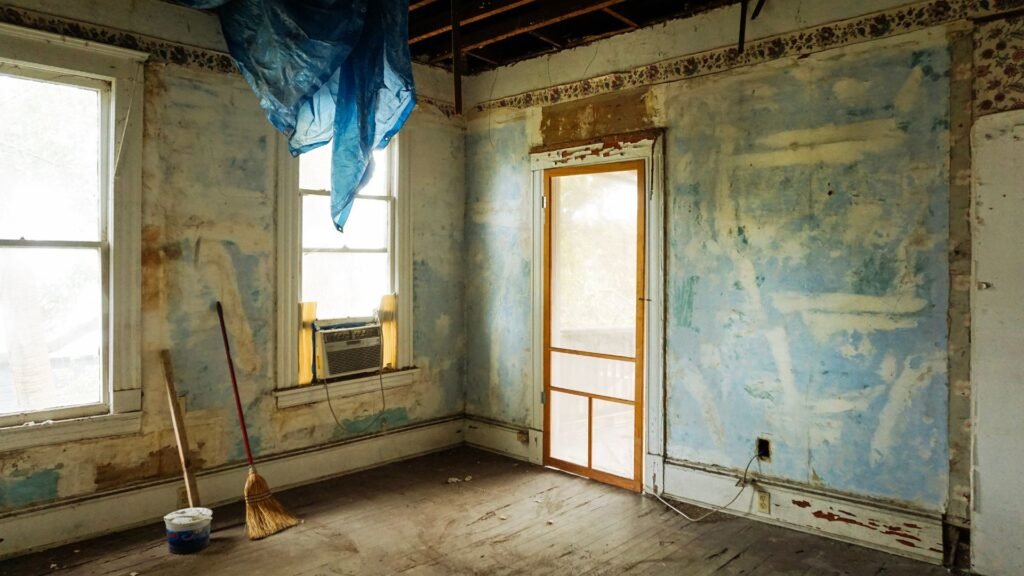
If you’re planning a renovation, having a ballpark figure in mind helps you make better decisions. Whether you’re updating a bathroom, remodeling a kitchen, or doing a full house refresh, knowing what you’re likely to spend gives you more control over your budget.
Every project is different, but you can group most renovations into three main price tiers: low, medium, and high. This breakdown makes it easier to compare options, set priorities, and avoid financial surprises down the road.
Low-Tier Renovations
Low-tier renovations are basic upgrades. These usually involve keeping the existing layout and focusing on cosmetic changes. Think repainting walls, replacing light fixtures, or installing ready-made cabinetry.
This tier is best suited for DIYers or homeowners looking to make improvements without spending too much. For example, updating a small kitchen with flat-pack cabinets and laminate benchtops or giving a bathroom a facelift with new taps and paint would fit into this category.
Keep in mind, even simple upgrades can add value to your home if they’re done well.
Medium-Tier Renovations
Medium-tier projects usually involve moderate changes. This could mean changing the layout slightly, replacing appliances, upgrading fixtures, or installing new flooring.
These renovations often require help from licensed professionals like plumbers or electricians, especially if you’re moving key elements like sinks, toilets, or electrical outlets. For example, replacing a dated kitchen with new custom cabinetry, stone benchtops, and modern lighting would be a solid mid-range project.
This level of renovation is the most common for NZ homeowners, balancing cost with noticeable improvement and increased home value.
High-Tier Renovations
High-tier renovations involve full reconfigurations or premium finishes. These projects might include structural work, high-end materials, full rewiring, or re-plumbing. You’ll likely need building consent, detailed planning, and multiple contractors involved.
Think complete kitchen overhauls with integrated appliances, tiled splashbacks, or turning a small bathroom into a luxury ensuite with underfloor heating, walk-in showers, and designer fixtures.
While these renovations come with a higher price tag, they can greatly enhance comfort and resale value, if done with the right design and workmanship.
Use A Renovation Calculator
If you want a more specific estimate for your home, using an online renovation cost calculator can help. Many NZ building companies offer interactive tools that give tailored estimates based on your home size, location, and project scope. Some even let you download a detailed report to use when gathering quotes or setting your renovation goals.
If you’d like, I can help create a free downloadable budgeting template or direct you to reliable cost calculators available for NZ homeowners.
Case Studies: Real Kiwi Renovation Stories
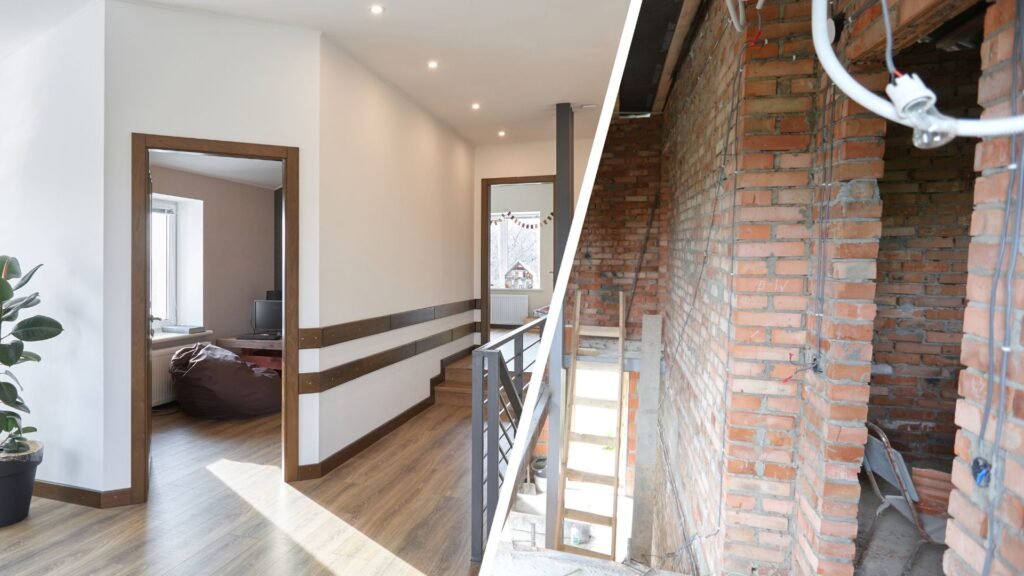
Real-life renovation stories give you a better idea of what to expect, from costs to unexpected surprises. Below are three brief but insightful case studies from New Zealand homeowners who recently completed their own home makeovers. These are based on publicly shared renovation experiences and industry reports.
Each story covers what they renovated, how much they spent, and what caught them off guard along the way.
Kitchen Upgrade In Christchurch
- Who: A couple in their early 30s living in a 1970s home in Christchurch
- What They Renovated: Outdated kitchen with poor lighting and limited bench space
- Total Spend: $27,000
Details
They chose to do a mid-range kitchen renovation, which included replacing cabinets, installing soft-close drawers, fitting a stone benchtop, and upgrading to energy-efficient appliances. They worked with a local kitchen designer and opted for a mix of flat-pack and custom cabinetry to save on cost.
What Surprised Them Most
They didn’t expect the electrical work to cost as much as it did. The old wiring had to be upgraded to meet current safety codes, which added nearly $4,000 to their original budget.
Bathroom Redesign In Wellington
- Who: A single homeowner in her 40s living in a small central city flat
- What They Renovated: An outdated and cramped bathroom
- Total Spend: $18,500
Details
The renovation focused on making better use of a small space. It included a full layout change, new plumbing, walk-in shower, wall-hung vanity, and underfloor heating. She also invested in high-quality tiles and water-saving fittings.
What Surprised Her Most
She was shocked by the time it took for council consent. Even though it was a small bathroom, the layout change triggered approval requirements. The delay added three weeks to the schedule and extra accommodation costs.
Full Interior Renovation In Hamilton
- Who: A family of four renovating their forever home
- What They Renovated: Living room, bedrooms, hallway, lighting, and flooring
- Total Spend: $95,000
Details
They did a full internal refresh, including rewiring, installing LED lighting, new insulation, and replacing all carpet with hybrid flooring. They also repainted the entire interior and added new wardrobe systems in all bedrooms.
What Surprised Them Most
The labour costs came in higher than expected. They had planned for $60 per hour rates, but due to high demand, they ended up paying closer to $85 per hour for most trades. Scheduling was also tight, and some tradies had to reschedule more than once.
These stories show that no matter the size of your renovation, there will always be some surprises. But planning carefully, getting accurate quotes, and having a buffer in your budget can make the journey smoother.
From first sketch to final touches, we’re here to help. Click through to our homepage and see how we can support your renovation.
FAQs: About Home Renovation Costs In NZ
How much does a full house renovation cost in NZ?
A full house renovation in New Zealand can cost anywhere from $80,000 to over $250,000, depending on the size of the home, materials used, labour costs, and whether structural changes or consents are required.
What’s the average cost of a kitchen renovation in NZ?
Most kitchen renovations in NZ cost between $15,000 and $30,000. Basic upgrades may fall under $10,000, while custom, high-end kitchens can exceed $40,000.
How much should I budget for a bathroom renovation?
Bathroom renovations typically range from $10,000 to $25,000 in NZ. The final cost depends on tile choice, fixtures, plumbing work, and layout changes.
Do I need building consent for renovations in NZ?
You need building consent for any structural changes, plumbing or electrical work that alters existing systems, and major alterations. Check with your local council for project-specific rules.
Can I renovate without a licensed builder?
Minor cosmetic work can often be DIY, but anything involving structure, plumbing, or electrical systems must be done by licensed professionals to meet legal and safety standards.
What are the hidden costs in a home renovation?
Common hidden costs include asbestos removal, rot or water damage, council consent fees, site access problems, and delays in material delivery or contractor availability.
How can I reduce my renovation costs?
You can save by handling minor tasks yourself, sourcing your own materials, getting multiple quotes, choosing standard-size fittings, and sticking to your original plan to avoid costly changes.
Is renovating cheaper than buying a new home in NZ?
It depends. Renovations can be cheaper if you already own the home and only need targeted updates. But major overhauls might cost as much as buying, especially in high-demand areas.
How long do home renovations typically take?
Minor updates may take 2–4 weeks. Mid-range projects like kitchens or bathrooms can take 1–2 months. Full home renovations may last 3–6 months or longer depending on complexity.
Should I renovate before selling my home?
Renovating can increase your home’s value and saleability, but only if done strategically. Focus on kitchens, bathrooms, and cosmetic improvements with broad appeal. Avoid overcapitalising.
Conclusion
Before jumping into any home renovation project in New Zealand, it’s important to prepare properly to avoid stress, delays, and unexpected costs. Start by planning everything on paper first, this helps you visualize your goals, avoid last-minute decisions, and stay on track. Detail what you want done, what materials you prefer, and which areas you’re prioritizing. Next, always get a written quote from every contractor you’re considering. Verbal estimates can lead to confusion or disputes later, so having everything in writing keeps expectations clear and protects you if anything goes wrong. It’s also smart to talk to your local council early. Many renovations, especially those that involve structural changes, plumbing, or electrical work, require building consent in New Zealand. Checking early helps you avoid legal issues or delays. Finally, be realistic with your budget and timeline. Renovations often take longer and cost more than initially expected, especially if unexpected issues pop up. Include a buffer of around 10–20% in your budget to cover surprises, and don’t rush the process. Careful preparation now can save you major headaches later.